
Is your hair ageing too fast? As we get older, we run into all kinds of hazards on our hair journey, from dryness and dullness to thinning and breakage. So, how do you squeeze the brakes when you feel you’re losing control?
There are, of course, plenty of treatments, products and tools out there to rejuvenate ageing hair, but when you’re trying to get back on the right path, experts say it’s actually small, daily changes that really add up and it’s the right habits that stack up to slow-age your hair.
When you visit a personal trainer and tell them that you want to get leaner, faster, stronger, they supply a programme of different little exercises for you to implement daily. It’s the same process with hair.
Get ahead of hair loss
We tend to notice hair loss only once we’ve lost quite a bit. For most of us, some degree of thinning is inevitable as we age – cells don’t regenerate as quickly, we don’t absorb vitamins as well and our sleep patterns change, giving our bodies less chance to repair overnight.’
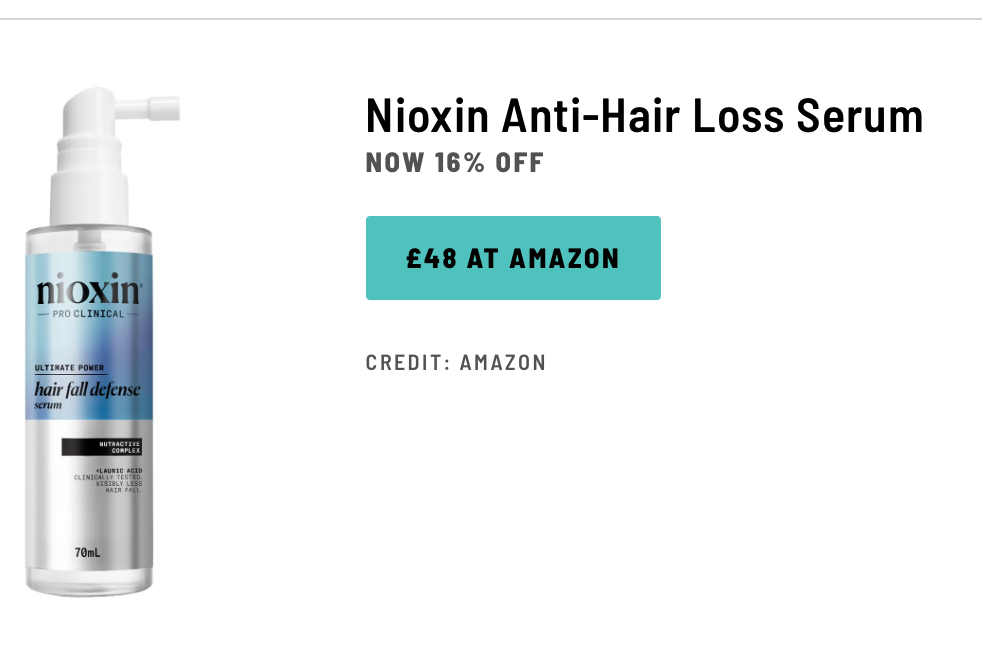
One solution is ‘prejuvenation’ to help get ahead of hair loss. Use a thickening shampoo and conditioner with every wash (look out for ingredients such as caffeine and niacinamide), apply growth-stimulating scalp serum (Nioxin’s Hair Fall Defence Serum is my favourite), and make sure your vitamin D levels are optimal.
It’s about covering your bases – it’s far easier to maintain what you already have than to bring back density once it’s gone.
Act fast with a personalised plan – use MINOXIDIL
If you’re seeing female pattern hair loss, act quickly. It’s progressive, and you want to use something from the get-go that has the greatest likelihood of working. For age-related hair diameter changes, Minoxidil tends to be the most effective treatment.
It is a tablet medication originally used in higher doses to treat high blood pressure. In smaller doses, swallowed orally, it has been found to increase age blood flow to the hair roots. This then enables hairs to grow for longer and new hair starts to grow more quickly.
It’s available over the counter but I advise going to a clinic for professional advice: You can be tested for nutritional deficiencies or hormonal imbalances that can be impacting growth, giving any treatment the best chance of working.
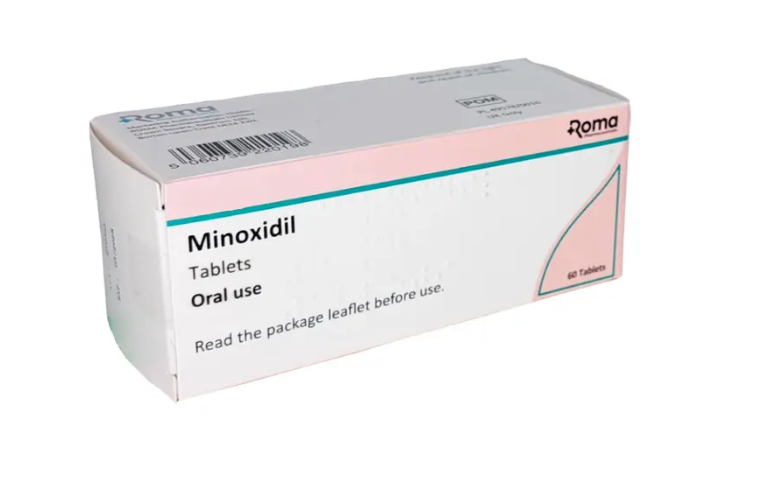
An affordable way to get minoxidil plus professional advice is via Hair+Me, a derm-led online service offering personalised prescription treatments for hair loss. It begins with an online consultation to assess your suitability, followed by a personalised monthly prescription (£34.99, including unlimited free expert support).
Use oil for healthy hydration
Dry hair equals dull hair, and it’s a very common issue as we get older, says Anabel. ‘Left untreated, dryness makes hair more prone to damage.’
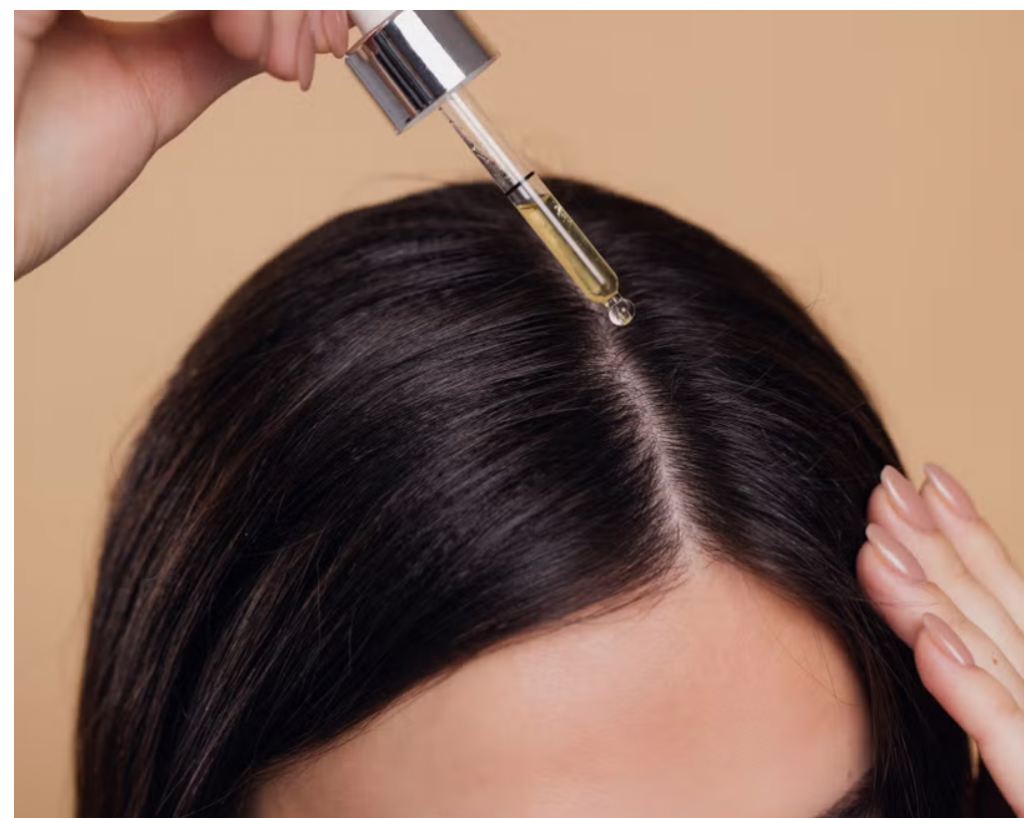
If hair is dry, you need to nourish and hydrate it with oil, she advises. ‘It adds shine and replaces the fatty acid layer that protects the hair cuticle (which can be damaged by colouring and other chemical processes) and can help growth by making hair more resistant to breakage.
The type of oil is key. Pumpkin seed is my top choice for hair growth – and coconut oil for stronger, shinier hair. Warm the oil before you apply it and then wrap your hair. Four to six hours is long enough. Don’t leave it on overnight as it can clog pores and cause inflammation.
Invest in effective treatments
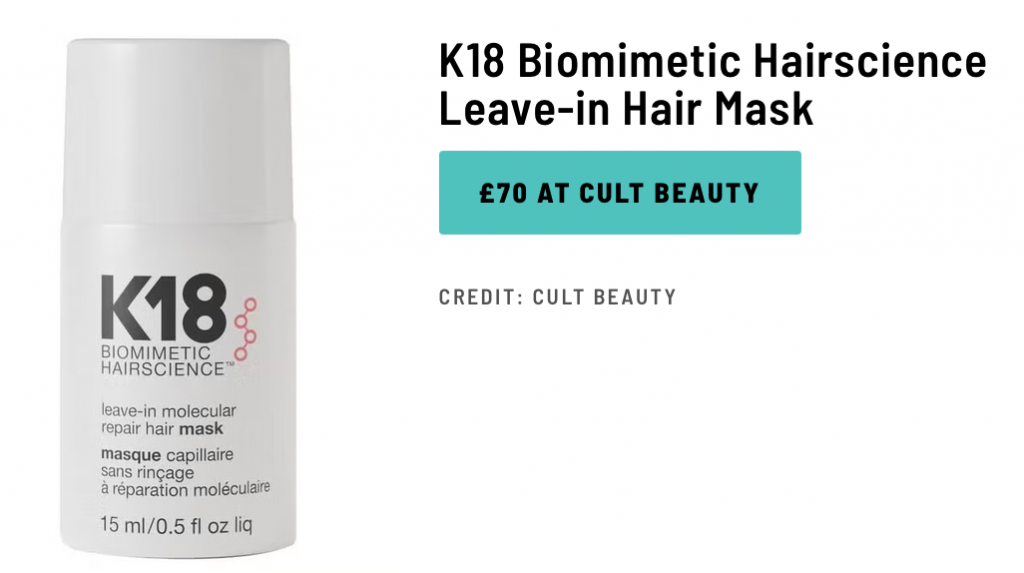
Midlife is the moment to prioritise both moisture and strength. Use a rich conditioning mask with emollients and bond-supporting ingredients. A weekly strengthening treatment helps fragile strands bend rather than snap.’
Double up on heat protection
Heat protection is vital for reducing avoidable hair ageing. It acts as a barrier, reducing the amount of moisture lost from inside the hair shaft and helping to shield the delicate cuticle layer from direct heat.
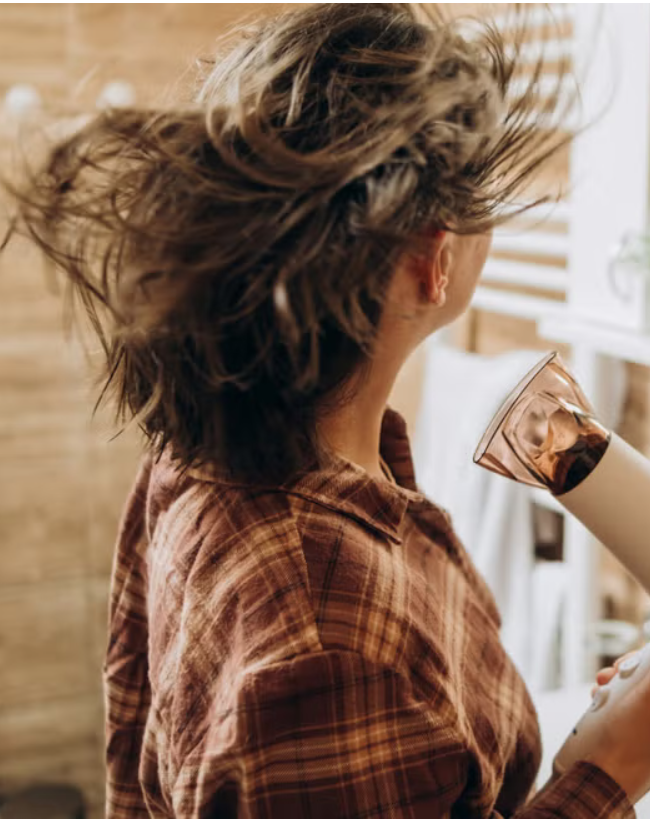
For maximum protection, he advises doubling your defences. Start with a heat protection spray, applied to damp hair after washing. This offers protection as you blow-dry and style. After blow-drying, use an instant-dry heat protection aerosol for an additional layer of protection before using irons or tongs. Think of it as building a base layer of defence, then reinforcing it later.
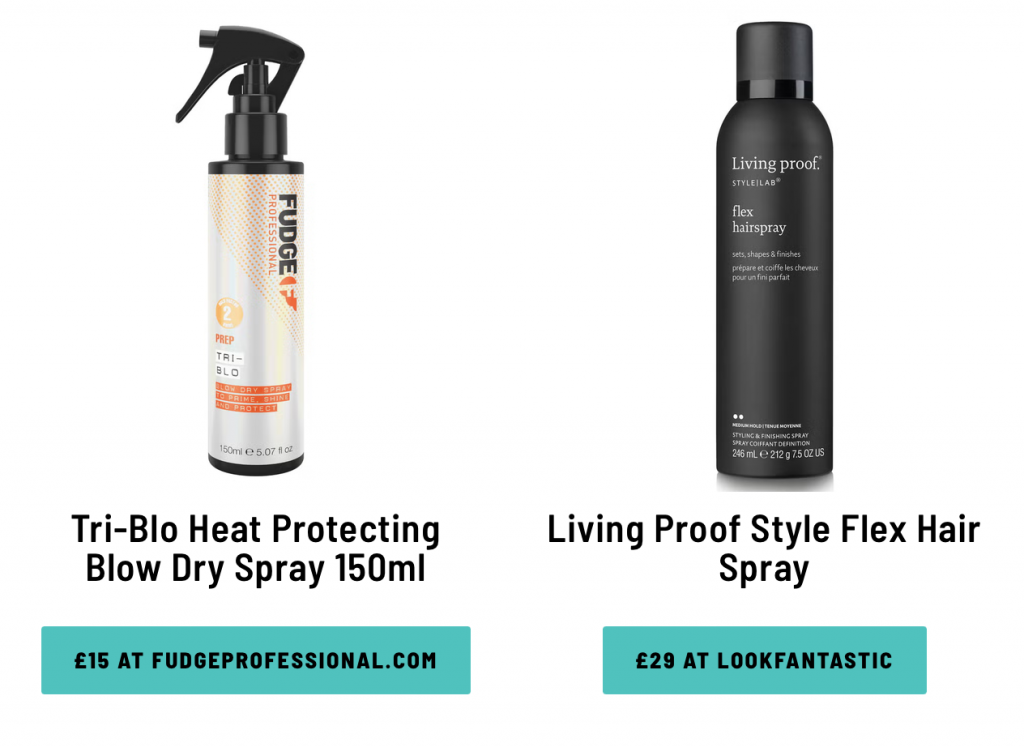
Try blowdrying with Fudge Tri-Blo Heat Protecting Blow Dry Spray, then add Living Proof Flex Hairspray as extra defence before using irons.
While not a magic bullet for hair loss, scalp massage is proven to stimulate growth. We know from studies that a scalp massage of 10 to 20 minutes a day can be beneficial in helping to increase hair density and the speed of hair growth. You need to really move the skin and scalp with your fingers as you do it,’ she says.
Silk Pillowcases & Air Dryers
Heat styling and chemicals are your obvious hair enemies, but don’t overlook a common, more easily avoided culprit: mechanical damage. That’s daily wear and tear: brushing the hair harshly, getting it caught on your handbag strap and tight ponytails or braids. Even how you sleep can have an impact. If you’re waking up with tangles, that friction on your pillow is probably causing mechanical damage
A silk pillowcase is a great overnight fix.
Leaving hair to dry naturally isn’t the kinder alternative we often assume.
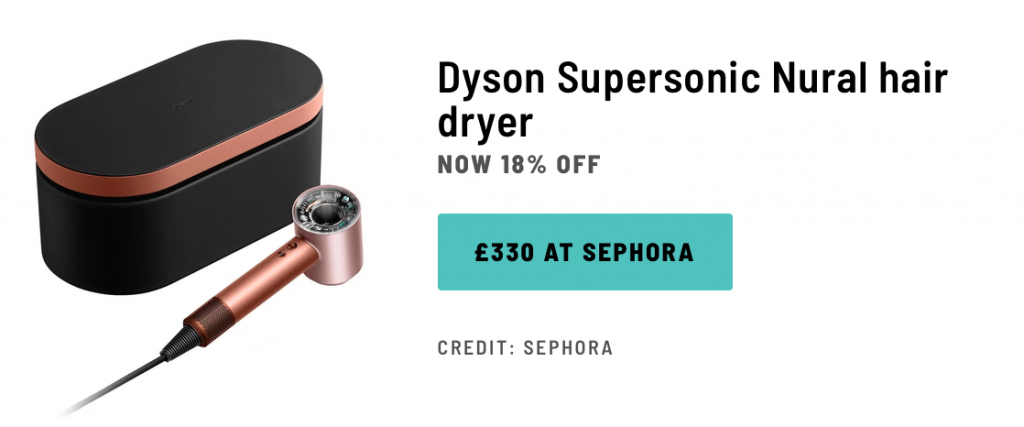
The ideal post-wash protocol is to remove as much water as quickly as possible by wrapping hair in a towel for 15 minutes before turning to a dryer that relies on power over heat to get the job done. For me, that’s the Dyson; it dries faster with less damage,’ she says. The Supersonic Nural has a sensor that automatically lowers the heat when it’s closer to your head.
Wash more often
A clean scalp equals a healthy scalp, so daily shampooing, if not outweighed by daily heat styling, is one of the first things you can do to improve your hair and scalp health.
Eat your way to better hair
People under 65 are recommended to eat 0.75-0.8g of protein per kg of bodyweight per day, while those over 65 should get 1-1.2g per kg per day. This is partly to counter the natural decline in muscle that comes with age, and partly because our body also gets less efficient at absorbing the amino acids in protein. So, in terms of our hair, we need more, not less, protein to support healthy growth.
Iron is also key: It’s essential for producing haemoglobin, which carries oxygen to cells, including those in hair follicles that promote growth
Eat at least a palm-sized portion of any protein (like fish, chicken, lean meat, eggs, quinoa, nuts or pulses) together with a portion of complex carbohydrates (such as wholewheat toast, skin-on potatoes, oats, barley, brown rice or pasta).’


