
The Victoria’s Secret Fashion Show returned to Brooklyn for its second post-hiatus outing, and for the second year in a row, it carried the aroma of something past its sell-by date.
Victorias Secret stores are increasingly closing – including my local shop in North London (some time ago).
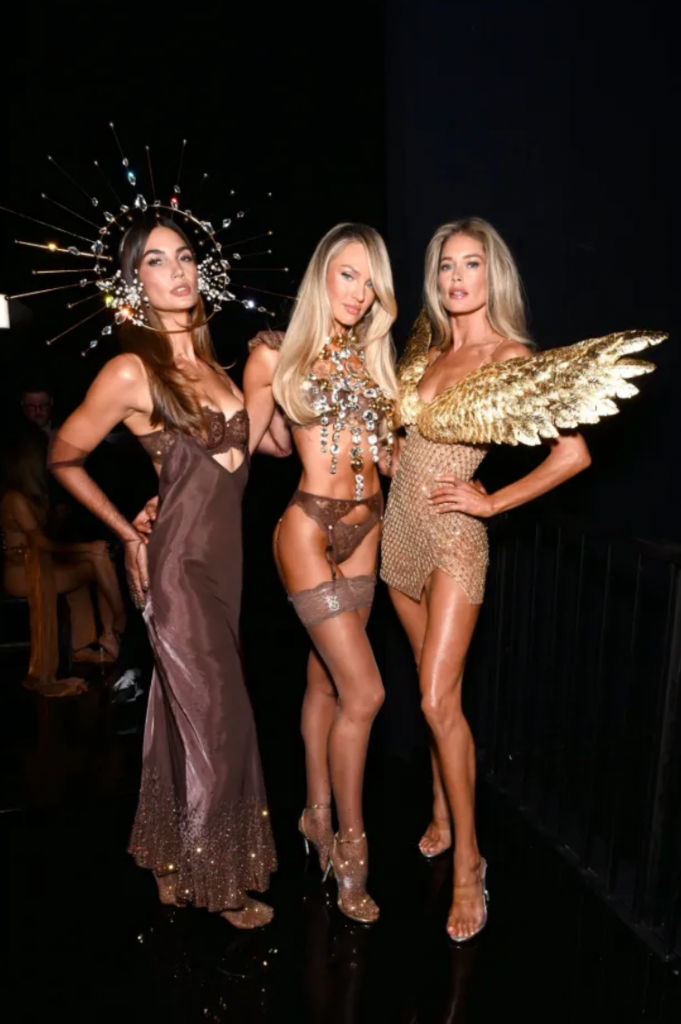
The once-glittering crown jewel of corporate sexuality, synonymous with a kind of aspirational femininity that dominated the 2000s, now exists as a monument to a past America.
I remember all girls dreaming of being a “VS Angel”. But not anymore.
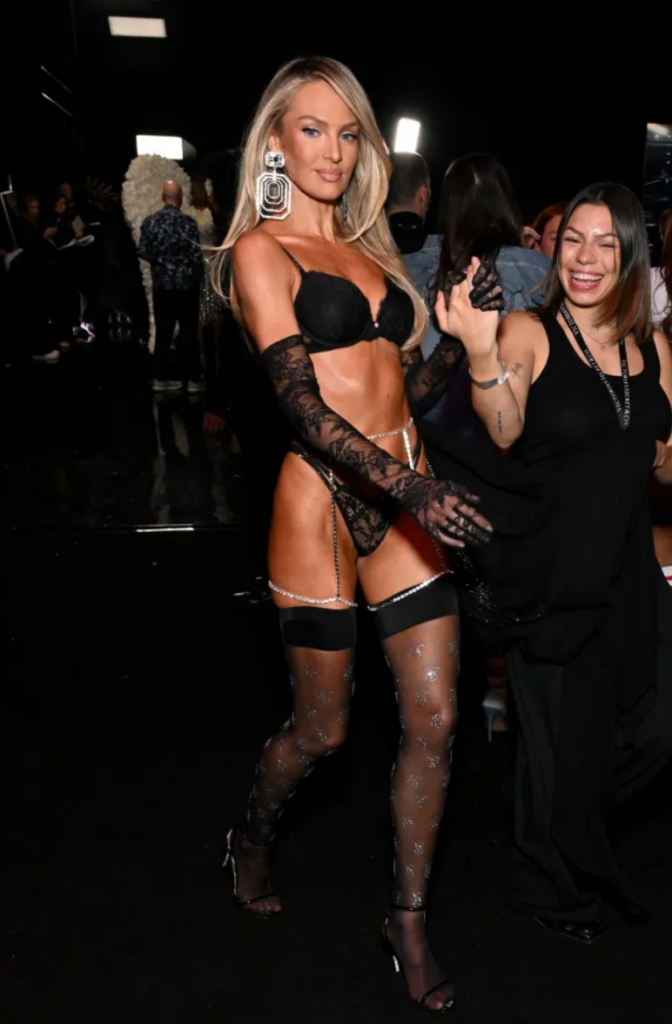
The show imploded in 2019, under a tidal wave of backlash – accusations of transphobia, fatphobia, toxic workplace culture, and general irrelevance abounded – and it felt like a cultural shift had happened.
Chief marketing officer Ed Razek’s now-infamous 2018 interview with Vogue, in which he dismissed calls for trans and plus-size inclusion by insisting that Victoria’s Secret didn’t ‘market to the whole world’, became the tombstone inscription of out-of-touch brand. The following year, the show was cancelled after its lowest viewing numbers ever.
During its exile, Victoria’s Secret tried to change its image. The company swapped wings for slogans, rebranding itself as a ‘female empowerment’ brand under the VS Collective moniker.
Rihanna’s Savage X Fenty is now the most popular underwear brand and has redefined what lingerie could mean in the public imagination. A space of genuine inclusivity, where difference was celebrated. The recent Savage X Fenty Vol. 4 show featured real, whole women with personality and shapes.
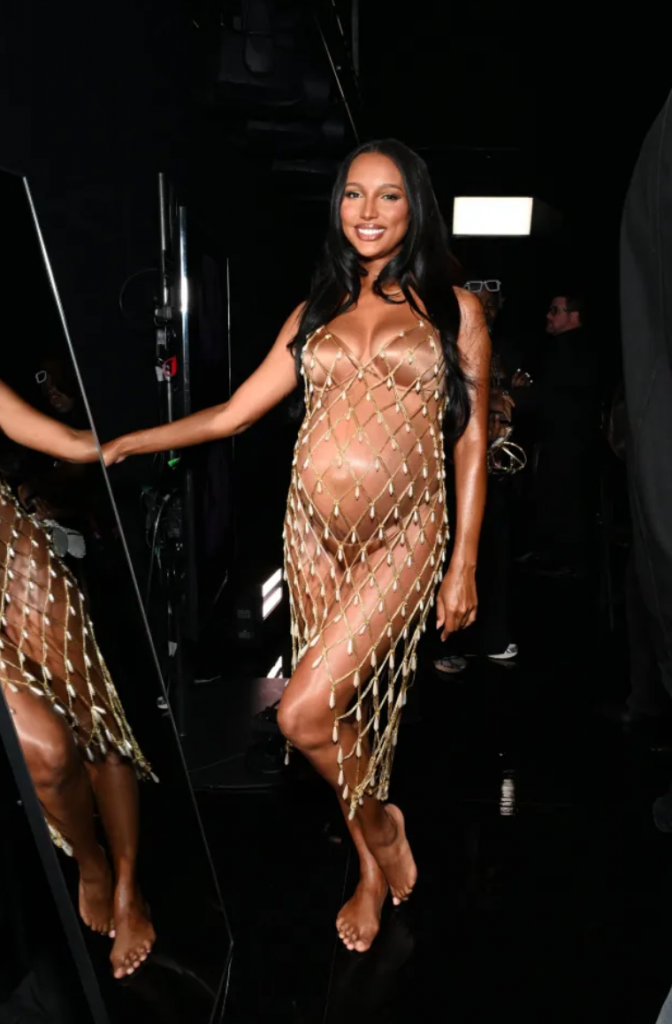
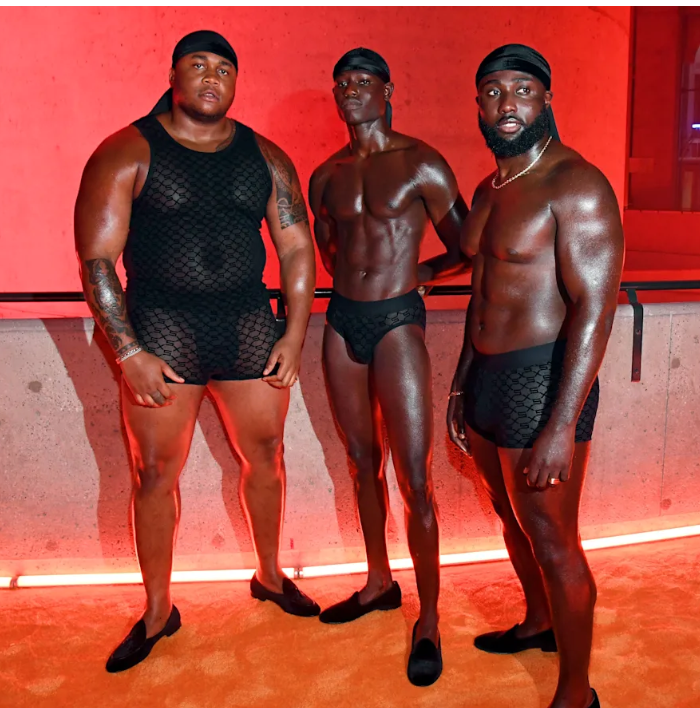
Rihanna’s Savage x Fenty lingerie line is known for its inclusivity, featuring a wide range of sizes and models of all shapes, ethnicities, and genders (including Men’s underwear).
It’s a key differentiator from Fenty’s competitors. The brand has expanded to include bridal collections, often launching new lines with elaborate fashion shows and campaigns that are both empowering and commercially successful.
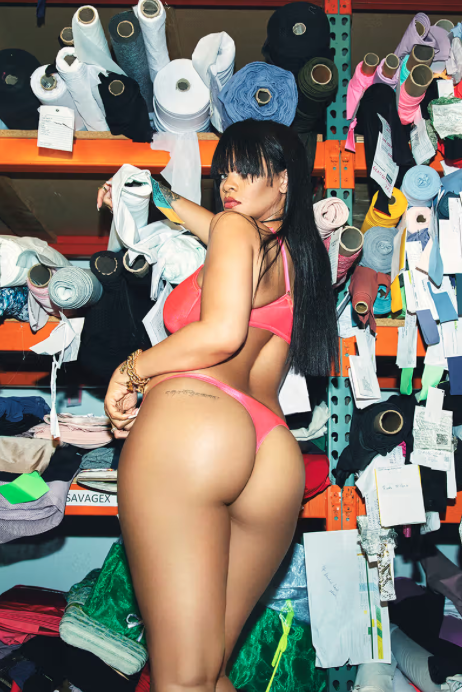
- Savage x Fenty (general):
- A brand-wide commitment to sizing and representation, challenging traditional beauty standards.
- Savage x Fenty Show Vol. 3:
- Featured a diverse cast of models and performers, emphasizing inclusivity and representation.
- Savage x Fenty Men’s Collection:
- Features underwear, boxers, robes, and pyjamas for men, addressing a gap in the market.
- Savage x Fenty Bridal Collection:
- Offers lingerie sets designed for weddings, such as “At First Sight,” “Take a Vow,” and “Satin Ever After”.
- Soft N’ Savage Collection:
- Focuses on comfortable, everyday wear with a focus on softness and a wider appeal.


